The Role of Fiber in Digestive Health
Understanding Dietary Fiber Types and Their Functions in the Body
What Is Dietary Fiber?
Dietary fiber comprises carbohydrates that humans cannot digest. Unlike other carbohydrates broken down into glucose for energy, fiber passes through the digestive system largely intact. This fundamental characteristic distinguishes fiber from other dietary components and gives it unique physiological properties. Fiber occurs naturally in plant-based foods including vegetables, fruits, whole grains, legumes, nuts, and seeds.
Despite being indigestible by human enzymes, fiber profoundly influences digestive function and overall health. Fiber serves multiple roles beyond simple transit through the digestive system. Different fiber types interact with the digestive tract in distinct ways, producing different physiological effects. Understanding these variations provides insight into why dietary fiber matters substantially for health and wellness.
Types of Dietary Fiber
Soluble fiber dissolves in water, forming a viscous gel in the digestive system. Sources include oats, barley, legumes, fruits, and some vegetables. Soluble fiber slows gastric emptying and intestinal transit, delaying nutrient absorption and creating fuller sensations. It ferments in the colon, producing short-chain fatty acids that support intestinal health and feed beneficial gut bacteria. Soluble fiber influences cholesterol and glucose metabolism, potentially benefiting metabolic markers.
Insoluble fiber doesn't dissolve in water, remaining largely intact through the digestive system. Sources include whole wheat, brown rice, many vegetables, and nuts. Insoluble fiber adds bulk to stool, promoting regular bowel function and supporting intestinal motility. It doesn't ferment significantly but contributes to overall digestive health through mechanical effects. Both fiber types contribute important but distinct physiological functions.
Mechanisms of Fiber Action
Fiber influences digestive health through multiple mechanisms. Mechanical effects of fiber, particularly insoluble fiber, promote gut movement and bowel regularity. Fiber increases stool bulk, stimulating intestinal contractions that move contents along the digestive tract. This mechanical action supports regular bowel function and prevents constipation. Soluble fiber, through its water-absorption properties, creates softer, bulkier stools that move more regularly.
Fermentable fiber undergoes microbial fermentation in the colon, producing short-chain fatty acids including butyrate, propionate, and acetate. These metabolites support intestinal health by providing energy for colonocytes, reducing intestinal pH, and supporting growth of beneficial bacteria. This fermentation process explains why fiber supports a healthy gut microbiota composition—consuming prebiotic fibers selectively stimulates beneficial bacteria growth.
Fiber and Satiety
Fiber substantially influences satiety perception and appetite regulation. The volume that fiber adds to meals without providing substantial calories creates fullness sensations through stomach stretch. Soluble fiber's slowed gastric emptying prolongs feelings of fullness post-meal. Fiber's effects on nutrient absorption timing influence blood glucose elevation rates and hormone responses related to satiety. These multiple mechanisms explain why high-fiber foods often produce stronger satiety responses than processed alternatives with similar caloric content.
Fiber Sources and Intake
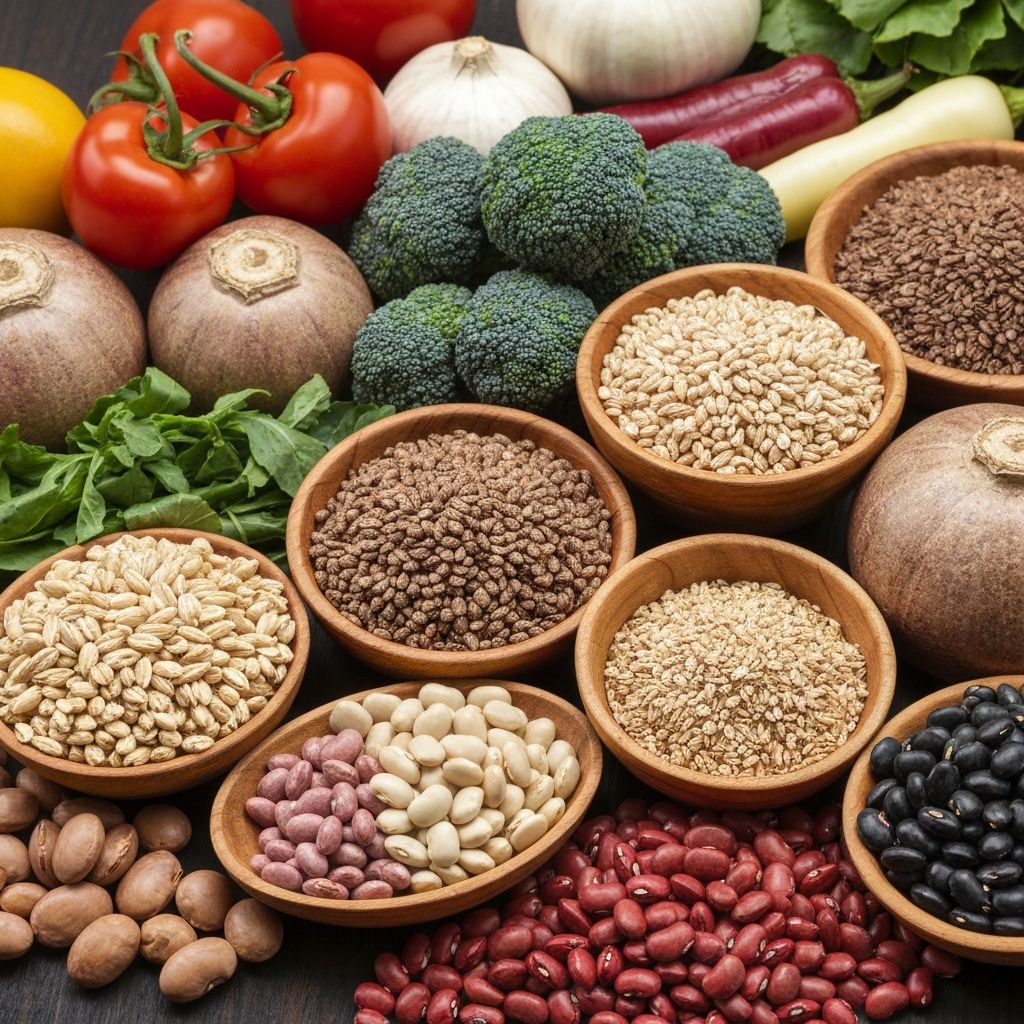
Whole grains including oats, brown rice, wheat, and rye provide both soluble and insoluble fiber alongside other nutrients. Vegetables including broccoli, carrots, Brussels sprouts, and leafy greens provide fiber and micronutrients. Fruits including berries, apples, pears, and oranges provide fiber and beneficial plant compounds. Legumes including beans, lentils, and chickpeas provide substantial fiber alongside protein and minerals. Nuts and seeds provide fiber alongside beneficial fats. This diversity allows substantial fiber intake through varied, nutrient-dense whole foods.
| Food Category | Examples | Fiber Type | Additional Nutrients |
|---|---|---|---|
| Whole Grains | Oats, brown rice, whole wheat | Both types | B vitamins, minerals |
| Vegetables | Broccoli, carrots, Brussels sprouts | Both types | Vitamins, minerals, phytonutrients |
| Fruits | Berries, apples, pears | Both types | Vitamins, polyphenols |
| Legumes | Beans, lentils, chickpeas | Both types | Protein, minerals, polyphenols |
Fiber Intake and Health Considerations
Most dietary guidelines recommend fiber intakes of 25-35 grams daily for adults, though actual intakes vary substantially among populations. Increasing fiber intake gradually from whole food sources supports digestive adaptation and minimizes gastrointestinal discomfort. Rapid increases in fiber, particularly without adequate water intake, can produce bloating and gas as the digestive system adjusts to increased fiber processing.
Individual fiber tolerance varies. Some individuals process high-fiber diets comfortably; others experience gastrointestinal distress. Gradual increases from whole food sources typically support the best adaptation. Meeting water needs becomes increasingly important with higher fiber intakes, as fiber's bulk-forming properties depend on adequate hydration. These practical considerations support building fiber intake in ways aligned with individual tolerance and circumstances.
Fiber and Micronutrient Absorption
High fiber intake, particularly from certain sources, can potentially influence mineral absorption in some cases. Some soluble fibers can bind certain minerals, potentially reducing absorption. However, whole food fiber sources typically contain substantial quantities of the minerals they might affect, often resulting in net mineral gain. This potential interaction represents one reason why varying fiber sources provides better overall nutrition than relying on single fiber sources exclusively.
The synergistic effects of consuming whole foods—receiving fiber alongside micronutrients, phytonutrients, and other beneficial compounds—explain why whole foods supporting fiber intake also support overall nutritional adequacy. Artificially isolated fiber supplements don't provide these companion nutrients and don't produce equivalent health effects as fiber consumed within whole foods.